Seen/Scene: A Note from Jennifer Gilbert
 Read Below
Read Below
Read Below
Seen/Scene: A Note from Jennifer Gilbert
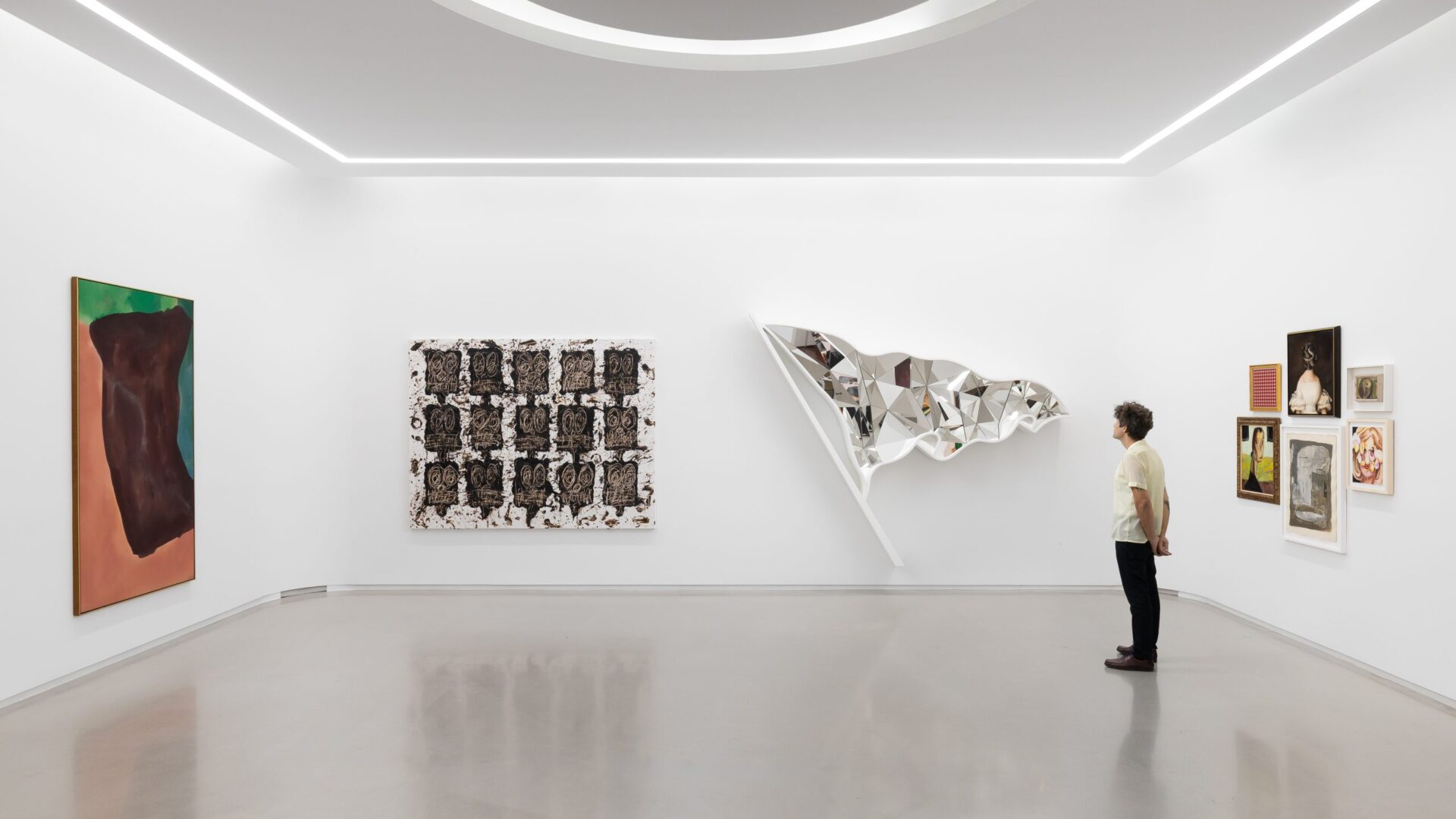
When I walked into The Shepherd and saw the exhibition installed, it felt a bit like walking into a conversation I have been having with art for years, now spoken aloud in one room. The works are drawn from my collection, but what they reveal has somewhat to do with myself and more with how we all negotiate visibility: what we show to others, what remains unseen, and what it means to stand in that space between the two. In the stillness of The Shepherd, those questions feel amplified. The architecture holds a kind of quiet, and the artworks answer it with a chorus of gazes, gestures, and reflections.
When Nick Cave and Laura Mott began working with the collection, I handed them my archive and asked them to respond. I had always thought of the works as an eclectic mix of subjects, mediums, and styles. What emerged for them, and eventually for me, was a persistent preoccupation with portraiture and more specifically, the gaze. Seen/Scene became the title not only to honor Nick Cave’s prolific Here/Hear exhibition, but because it captured that layering: the subject being seen, the environment around them, and the viewer realizing they are a part of this delicate composition.
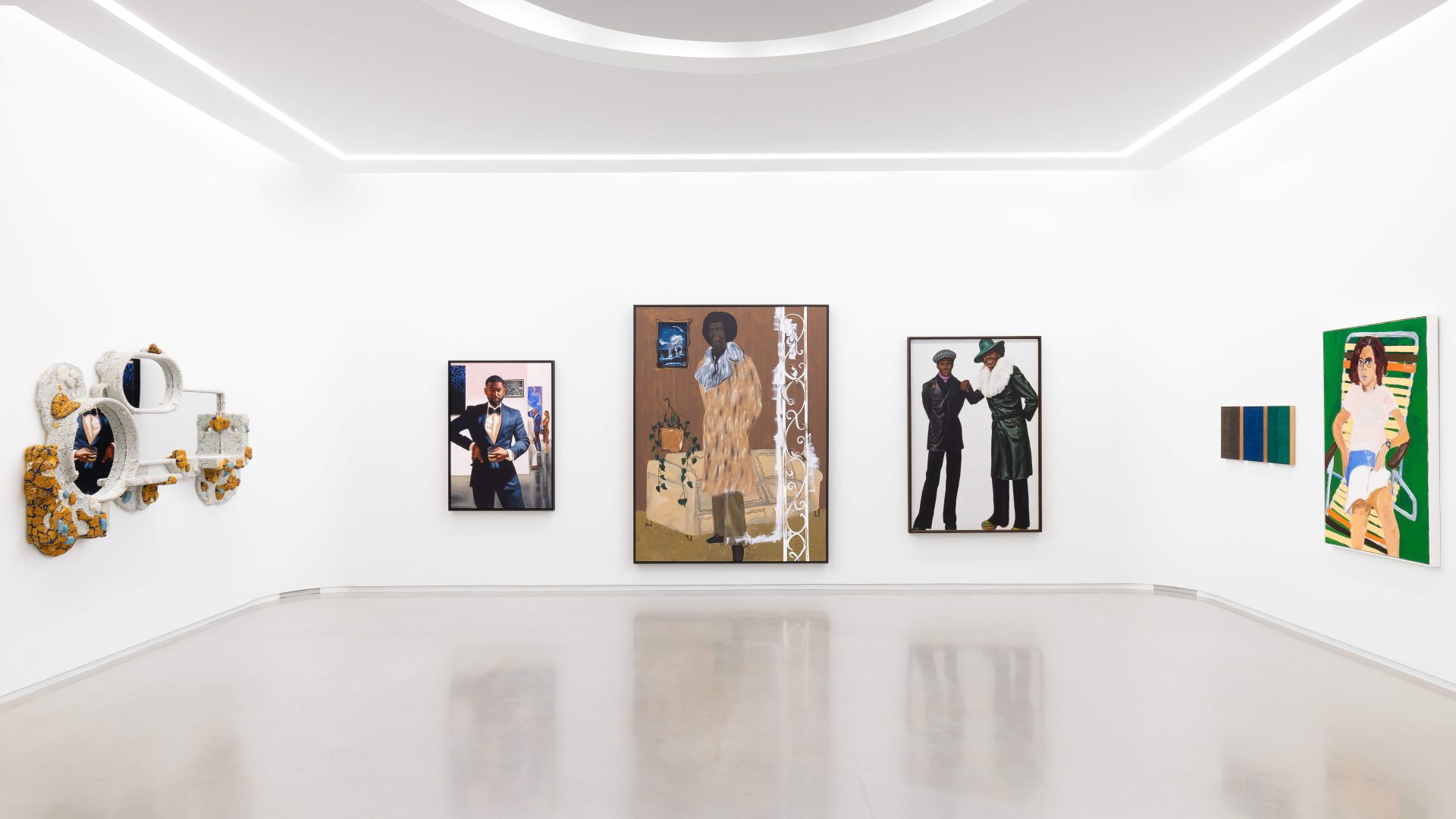
Many of the works are not polite or ornamental; they refuse to sit passively on the wall. A direct gaze can feel tender, confrontational, or quietly resolute, but it always insists on the subject’s full personhood. Even when the face is obscured or turned away, the body language carries a narrative about identity, vulnerability, and self-possession. Standing in front of these works, you become acutely aware of your own presence. You are not just looking at someone; you are being looked at in return, asked to consider what assumptions you bring into that encounter. Works with mirrored surfaces capture fleeting constellations of visitors, fragments of the vaulted ceiling, and the shifting daylight in the gallery. An installation might hold your outline for a moment before it dissolves back into abstraction. These gestures complicate the boundary between artwork, architecture, and audience.
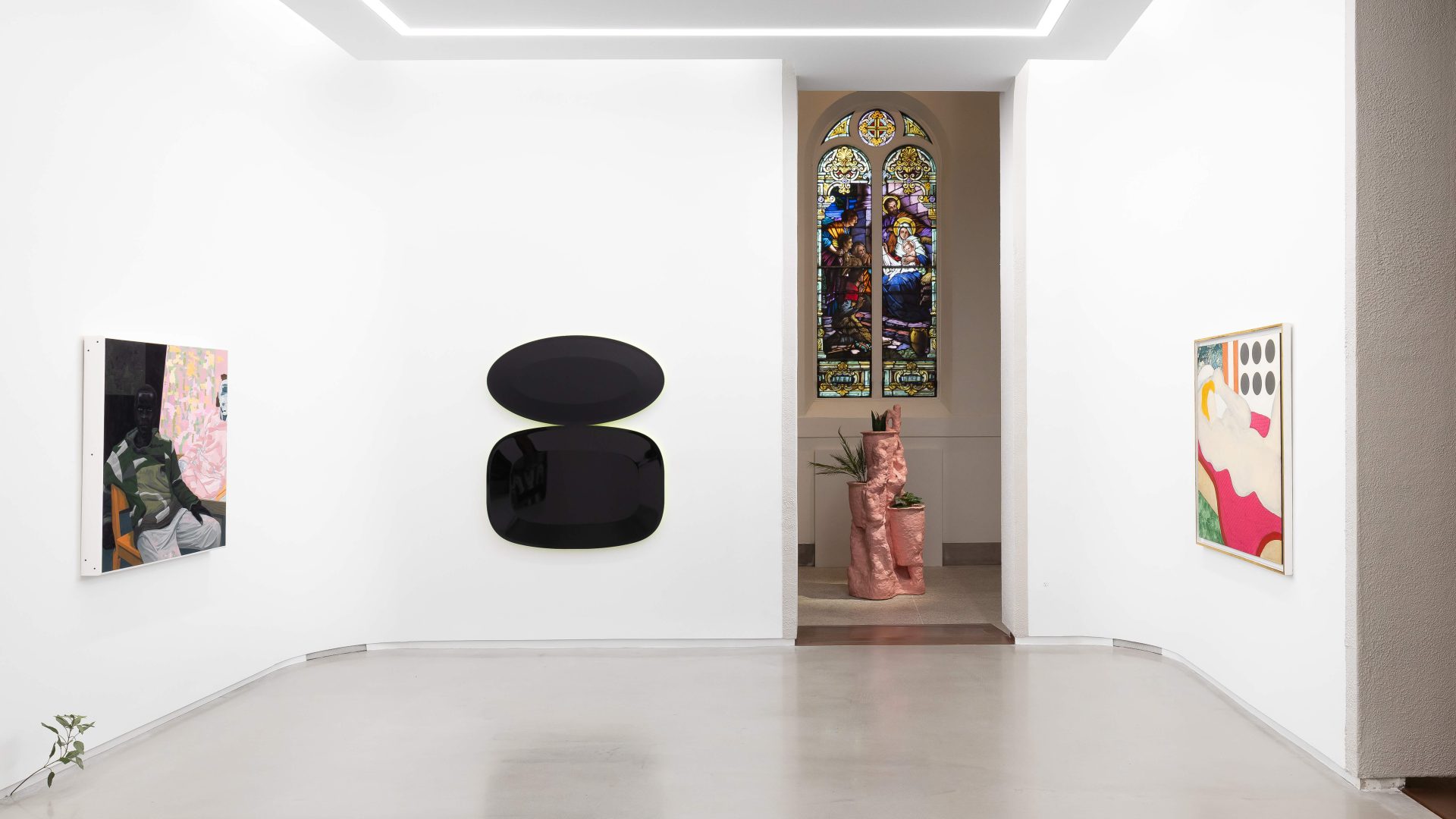
The context of Detroit is inseparable from this narrative. My relationship with Library Street Collective has shaped how many of these works entered my life and how they now move back out into the world. Our collaborations have always remained rooted in a belief that art should live in dialogue with community. Art can validate, challenge, and encourage those who are still wondering if they are allowed to take up space, if their images and stories are worth pursuing.
Collecting, for me, has become less about accumulation and more about support. When a work enters my life, I feel a responsibility to the artist behind it. That can look like acquiring early pieces, following their practice over time, lending works to exhibitions, or considering future gifts to museums that will place these pieces in public collections. I am especially committed to artists in this city, because Detroit’s creative community has shaped my own eye and because I believe their voices deserve sustained, visible platforms.

Art can validate, challenge, and encourage those who are still wondering if they are allowed to take up space.
On a personal level, this exhibition allowed me to reveal a part of myself that is typically kept private. I recognized patterns in my collection that I did not consciously create—a long-standing attraction to interiors, to faces, to moments where someone’s inner life seems to press against the surface of an image. Sharing them in this way is an act of trust: in the artists, in the city, and in the viewers who step into The Shepherd and close the loop. That is the most meaningful part of this process for me. The show is an invitation, a way of saying that art can belong in our homes, in our public spaces, and in our lives at every scale and every budget. If Seen/Scene encourages someone to feel recognized in a work, or to support an artist whose voice stays with them, then opening this collection has done what I hoped it would do.